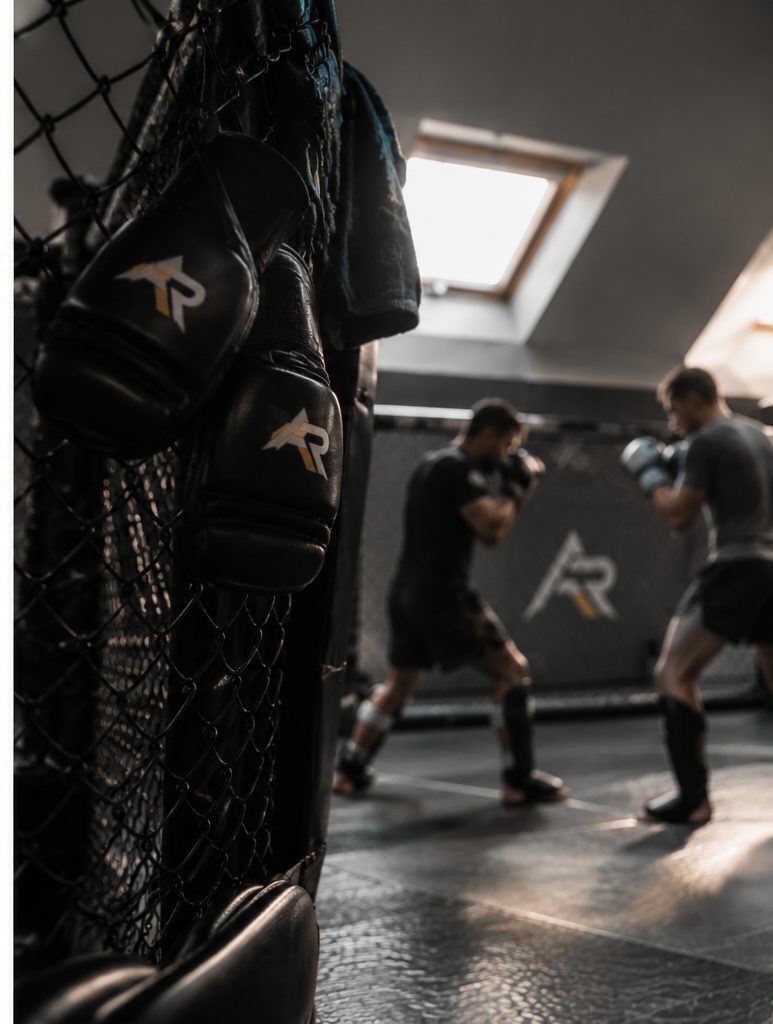
Transitions
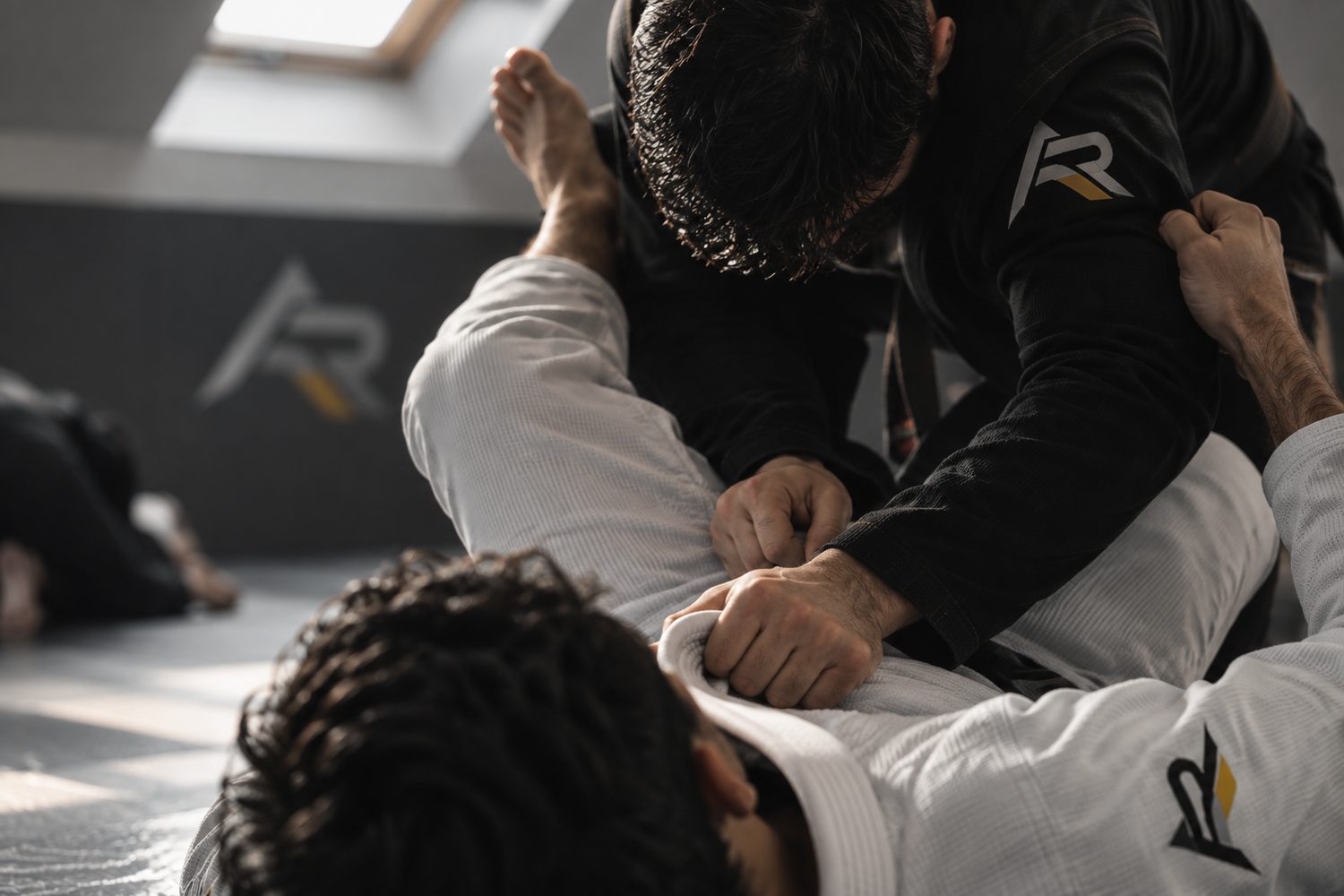
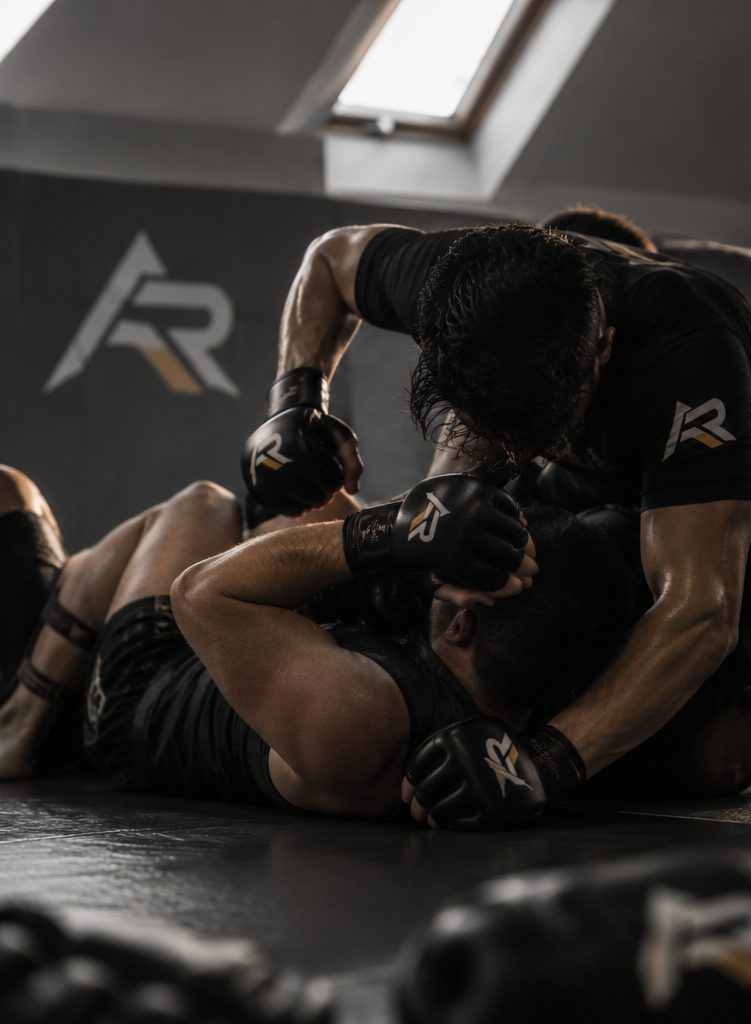
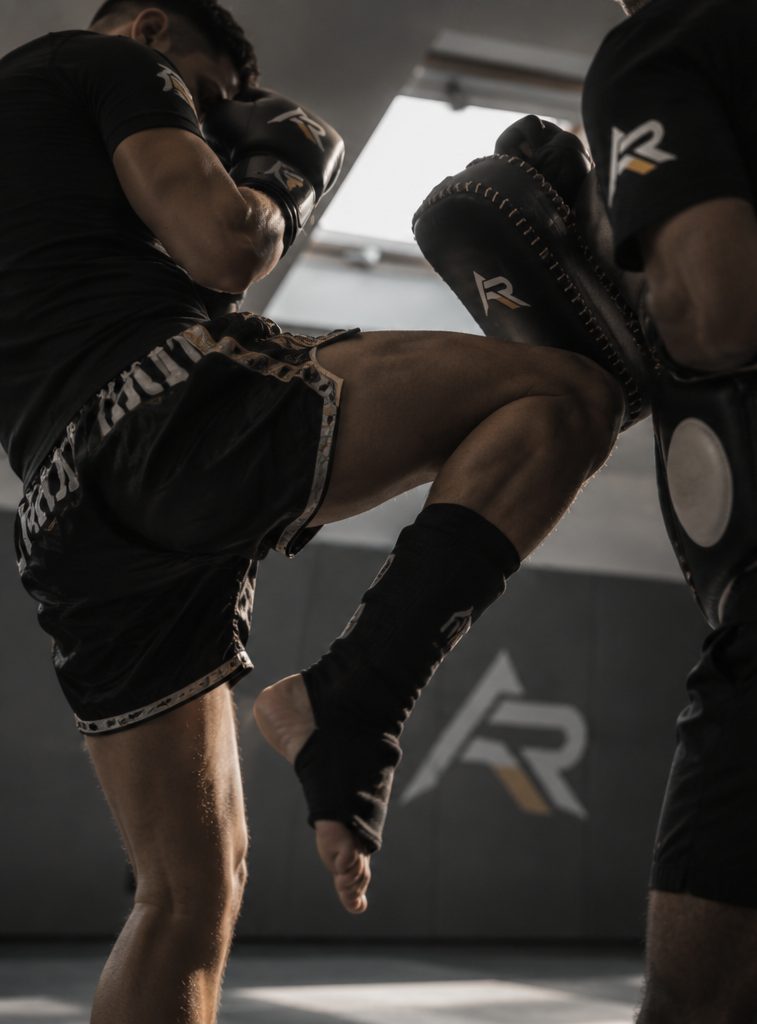
Knowing how to strike and how to wrestle isn't enough. MMA is decided in the switch from one to the other.
All ranges · Every distance
MMA isn't just another martial art: it's the arena where they all meet. Standing, on the ground, against the cage — and above all in the transitions between those three worlds, where fights are really won.
Where it comes from
Its direct ancestor is Brazil's Vale Tudo — “anything goes” — which, from the 1920s onwards, pitted fighters from different styles against each other in bouts with almost no rules.
On 12 November 1993, UFC 1 in Denver put the question to a worldwide audience: which martial art actually works? The answer, delivered by Royce Gracie, was that fights end up on the ground — and few disciplines prepare you for it.
The next two decades turned the experiment into a sport. The Unified Rules, adopted in the early 2000s, brought weight classes, rounds, mandatory gloves and banned strikes. The single-style specialist died out: the modern fighter has to strike, wrestle and submit.
The principles
Knowing how to strike and how to wrestle isn't enough. MMA is decided in the switch from one to the other.
Deciding where the fight happens often matters more than how hard you hit.
A territory of its own: with your back to the fence, the rules of the clinch change.
BJJ positions need a rethink as soon as fists enter the equation.
At Arcano
MMA is trained on Tuesdays and Thursdays, morning and evening, plus Saturday afternoons. An MMA Kids class runs on Tuesdays, Thursdays and Saturday mornings. Sessions combine striking, wrestling and groundwork, with the intensity matched to each person's level.
Schedule
← Swipe →
Frequently asked questions
No, but MMA means learning several languages at once. Many people start with BJJ or Muay Thai before adding MMA.
No. Sparring is progressive and supervised. The first weeks focus on technique and positioning.
MMA gloves, a gum shield and shin guards. For your first class, just come in sportswear.
Other disciplines